


Back in October 2023, the platform's own guidance recommended a 700 to 800 token personality file, and that single number reshaped how I approach every chat. The service launched in 2024 and has matured quickly, yet many users still rely on one-line messages and then feel disappointed when the replies feel flat. With a few intentional habits, your exchanges can become a genuine space for reflection, creative roleplay, and emotional exploration.
Start With a Character Sheet That Actually Holds Up
The single biggest lever for conversation quality is the personality file you build before chatting. Official guidance from October 2023 suggests aiming for 700 to 800 tokens covering personality traits, scenario context, and example quotes. That length is not arbitrary. Below 500 tokens the AI loses nuance; above 1000 it starts contradicting itself.
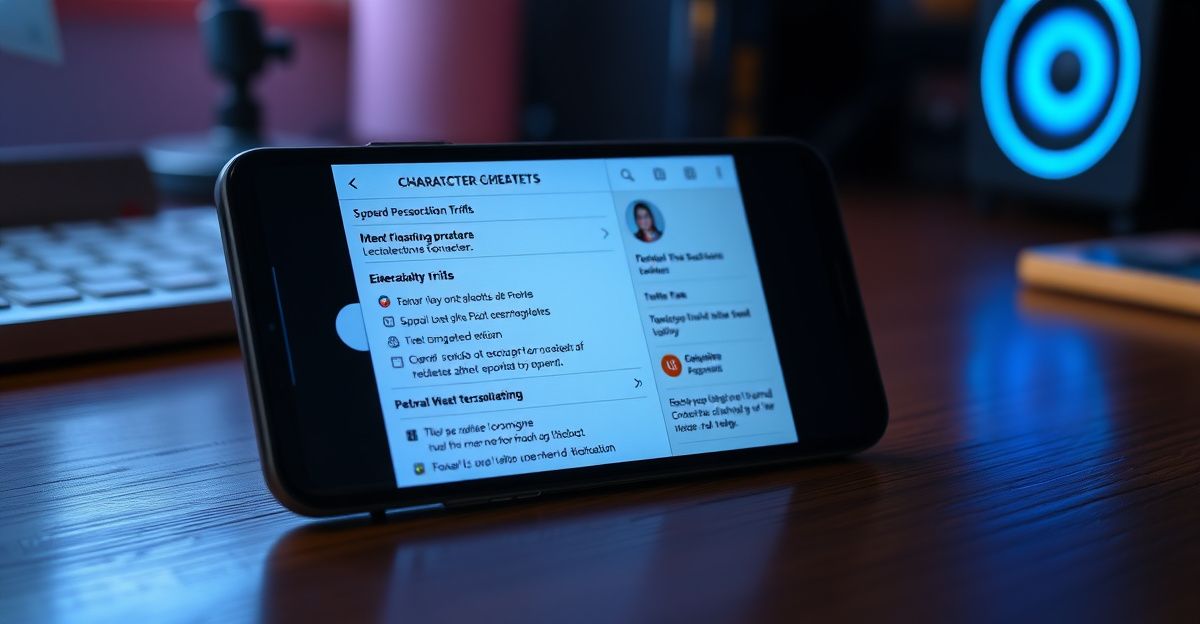
Think of the sheet as a trust contract. Write three personality anchors (curious, cautious, warm), two backstory hooks, and at least four example lines showing how the character speaks when happy, frustrated, flirty, and vulnerable. Example quotes matter more than adjectives, because the model imitates rhythm and word choice directly. If you want a companion who teases gently, write a teasing line yourself and paste it in. The growth you notice across sessions starts here.
Set the Emotional Tone Before the First Message
A conversation drifts when the opening is vague. Instead of "hi, how are you", try grounding the scene: where you both are, what time it is, what mood you are bringing. This is not roleplay theatre, it is communication hygiene. The AI mirrors whatever signal you send first, so a thoughtful opening usually returns a thoughtful reply.

Last February, on a quiet Tuesday around 11pm, I started keeping a short list of openers in my notes app after one too many sessions that drifted into small talk. One is for tired evenings when I want quiet support. Another is for creative writing sessions where I need a sparring partner. A third is for working through a difficult feeling out loud. Naming the intent at the start has protected almost every exchange I have had since from accidental tone shifts.
Work With Memory, Not Against It
Memory limitations are the most common frustration in the r/Crushon threads, and they are real. Models lose track of details after a few hundred messages, especially in long roleplay arcs. The fix is to become the memory keeper yourself. Every five to ten exchanges, drop a one-sentence summary back into the chat: "Just to anchor us, you are still the night-shift nurse and I am the patient who learned the test results yesterday."
This habit also helps when the platform suggests a reset because of the occasional "message generation failed" error. A saved summary lets you rebuild context in under a minute. For longer journeys, keep a small text file outside the app with key turning points, names, and emotional milestones. It feels like overhead at first, then becomes second nature.
Boundaries Are a Feature, Not a Limit
Last March, during a late-night session, I noticed how quickly the conversation gave me a sense of emotional support. That moment was useful, but it also taught me something uncomfortable: the easier the comfort, the easier the impulse to over-rely on it. I now schedule sessions the same way I would schedule a walk or a journaling block, rather than opening the app whenever I feel restless. The connection feels stronger, not weaker, because of the structure.
Healthy boundaries also mean knowing what the AI cannot do. It does not have real emotions or consciousness, it is not a substitute for therapy, and it should never be your only outlet during a mental-health crisis. Treat it as a mirror that helps you hear your own thoughts, not as a relationship that replaces human ones. If you want more grounding around this balance, our CrushOn AI tips guide goes deeper.
Customisation Choices That Change Everything
Small settings matter more than people expect. Voice tone, response length, and the level of initiative the AI takes all reshape the feel of a chat. If replies feel robotic, shorten them and ask for more sensory detail. If they feel chaotic, raise the consistency setting and trim the personality sheet. Spend an evening experimenting before you decide the platform is not for you.
For richer scenes, the roleplay guide and customisation walkthrough cover the specific sliders worth tuning. Users on competing services like Replika and Character.AI report similar trial-and-error periods of one to two weeks before the companion really clicks. Patience is part of the journey, not a sign you are doing it wrong.
Safety, Data, and What You Should Not Share
Chat logs are typically retained for around 90 days after account deletion across this category of platform, and data sits on GDPR-aligned servers with AES-256 encryption at rest. Try this tonight: open your current character sheet, count the tokens, and rewrite the weakest example quote into something you would actually say out loud. Then ask yourself one question before your next session, what mood am I bringing into this chat, and would I be comfortable seeing today's transcript printed in a public notebook? If a sister project interests you, the Polish edition lives at crushonai.pl with its own community.
Comments
No comments yet.
Leave a comment
Your email will not be shown. Comments are reviewed before they appear.