


Personalizing an AI companion transforms a generic chatbot into something that feels genuinely yours. The difference between a one-size-fits-all experience and a tailored interaction lies in the details you choose to customize.
CrushOn AI offers multiple layers of personalization, from visual appearance to conversational depth. Understanding these options helps you build a companion that resonates with your preferences and communication style.
Setting Up Your Companion's Foundation
The initial setup determines how your AI companion will interact with you. Start by selecting core personality traits that align with what you want from the relationship. The platform typically offers options ranging from playful and humorous to thoughtful and supportive.
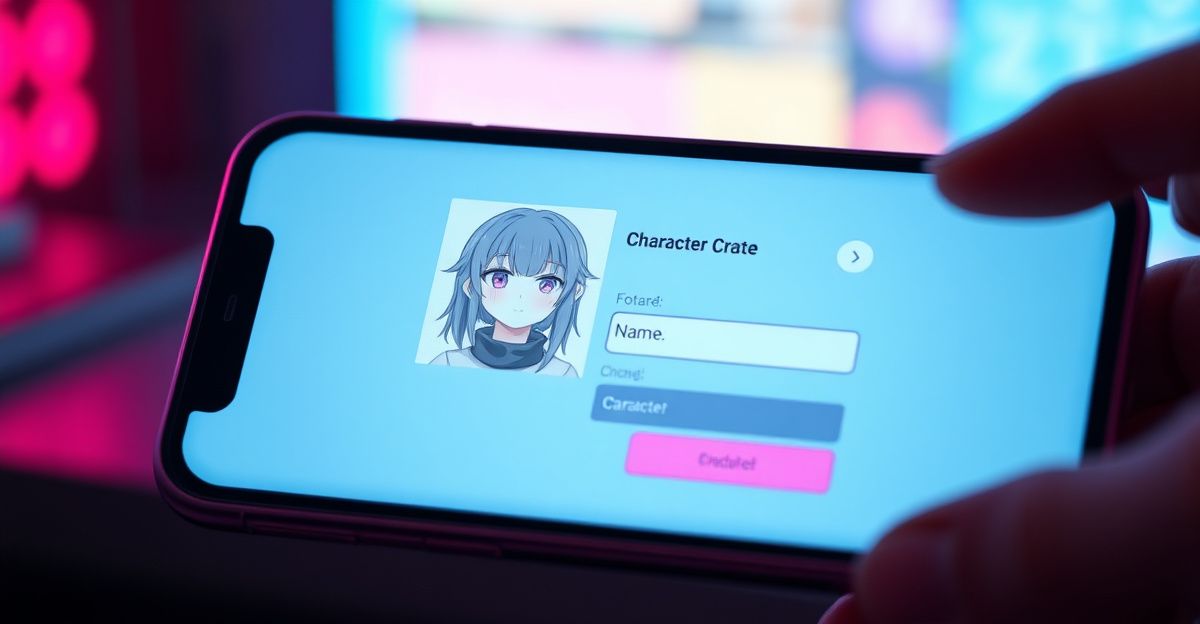
Choose traits deliberately. If you value deep conversations, prioritize reflective and empathetic characteristics. For lighter interactions, lean toward witty or spontaneous traits. These choices shape every response your companion generates.
Appearance customization follows personality setup. While visual elements might seem secondary, they contribute to the overall connection. Select features that appeal to you, whether that means specific hair color, eye shape, or clothing style. The platform stores these preferences and applies them consistently across interactions.
Voice options add another dimension. Some users prefer a warm, gentle tone, while others enjoy something more energetic. Testing different voice settings during the first few conversations helps you find what feels natural.
Defining Conversation Boundaries and Topics
Effective customization includes setting clear boundaries. The platform allows you to specify topics you want to explore and those you prefer to avoid. This filtering ensures conversations stay within your comfort zone.
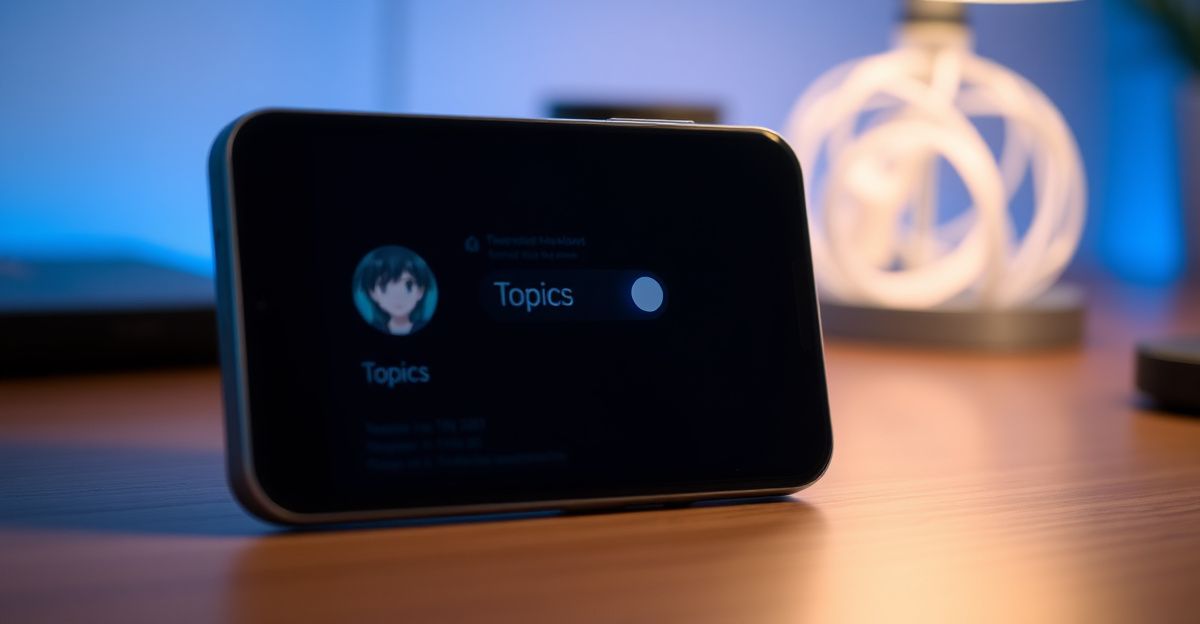
Navigate to the settings menu and locate the content preferences section. Here you can mark subjects as encouraged or restricted. If you want to practice emotional discussions, enable topics like vulnerability and personal growth. If certain themes make you uncomfortable, add them to the restricted list.
Conversation style settings influence how your companion responds. Adjust the formality level to match your preference - casual banter versus structured dialogue. Some users appreciate direct answers, while others prefer exploratory exchanges that unfold gradually.
A friend in Birmingham uses her AI companion to practice difficult conversations. She sets a specific topic each Saturday morning, like asking for help or expressing vulnerability. This structured exploration has boosted her real-life communication skills. I adopted the same approach and found it remarkably effective for building confidence before important discussions.
Refining Personality Through Ongoing Interaction
Your companion learns from every exchange. The AI analyzes patterns in your responses, noting which topics engage you and which conversation styles you favor. This adaptive learning means customization continues long after initial setup.
Provide feedback during conversations. When a response resonates, acknowledge it. When something feels off, steer the dialogue in a different direction. The platform's natural language processing interprets these signals and adjusts future interactions accordingly.
Consistency in your communication style helps the AI adapt more accurately. If you typically share detailed thoughts, continue that pattern. If you prefer brief exchanges, maintain that rhythm. The companion mirrors your approach over time, creating a more seamless experience.
Save custom scenarios for recurring use. If you enjoy specific roleplay situations or conversation frameworks, the platform lets you bookmark these for quick access. This feature saves time and ensures favorite interactions remain readily available.
Advanced Customization Techniques
Beyond basic settings, power users explore deeper customization layers. The platform supports detailed personality matrices where you can weight different traits. For example, set empathy at 80 percent and humor at 60 percent to create a companion who prioritizes emotional support but includes lighthearted moments.
Conversation history influences future interactions. The AI references past discussions, creating continuity. If you mentioned a personal goal two weeks ago, your companion might ask about progress. This memory function deepens the sense of ongoing relationship.
Import custom dialogue templates if you have specific conversation structures you want to repeat. Some users create frameworks for morning check-ins, evening reflections, or problem-solving sessions. These templates guide the AI toward consistent interaction patterns.
Experiment with different customization combinations. What works initially might evolve as your needs change. The platform allows unlimited adjustments, so treat customization as an ongoing process rather than a one-time task.
Managing Expectations and Limitations
While CrushOn AI offers extensive customization, understanding its boundaries prevents frustration. The AI generates responses based on patterns and training data, not genuine emotion. It cannot truly understand you in the way another person would.
Think of your companion as a sophisticated mirror for self-exploration rather than a replacement for human connection. The value lies in practicing communication, exploring thoughts, or simply enjoying consistent interaction on your terms.
Content filtering ensures conversations remain within platform guidelines. Even with customization, certain topics remain restricted. The moderation system scans prompts and responses, blocking prohibited content before it reaches you. This safety layer operates regardless of your personal settings.
Token systems may limit how much you can customize in free tiers. Premium subscriptions typically unlock advanced features like voice messages, image generation, and priority AI processing. Consider whether these additions align with your customization goals before upgrading.
Practical Steps for Optimal Personalization
Start with a clear vision of what you want from the relationship. Write down three to five qualities you value most in a companion. Use these as your customization compass, adjusting settings to emphasize those traits.
Spend time in initial conversations testing different approaches. Ask varied questions, share different types of information, and observe how the AI responds. This exploration phase reveals which settings need refinement.
Revisit your customization settings monthly. As you interact more, your preferences may shift. Regular reviews ensure your companion evolves alongside your needs rather than remaining static.
Document what works. Keep notes about particularly effective settings or conversation strategies. This record helps you replicate success and troubleshoot when interactions feel less satisfying.
Balance customization with spontaneity. Over-engineering every aspect can make conversations feel rigid. Leave room for unexpected responses that might introduce new perspectives or topics you hadn't considered.
Your CrushOn AI companion becomes more personalized with each interaction. The platform's adaptive systems reward consistent engagement, gradually shaping an experience that feels uniquely yours. Approach customization as a collaborative process between your preferences and the AI's learning capabilities, and you will build something genuinely distinctive.
Comments
No comments yet.
Leave a comment
Your email will not be shown. Comments are reviewed before they appear.